Why SDR exists
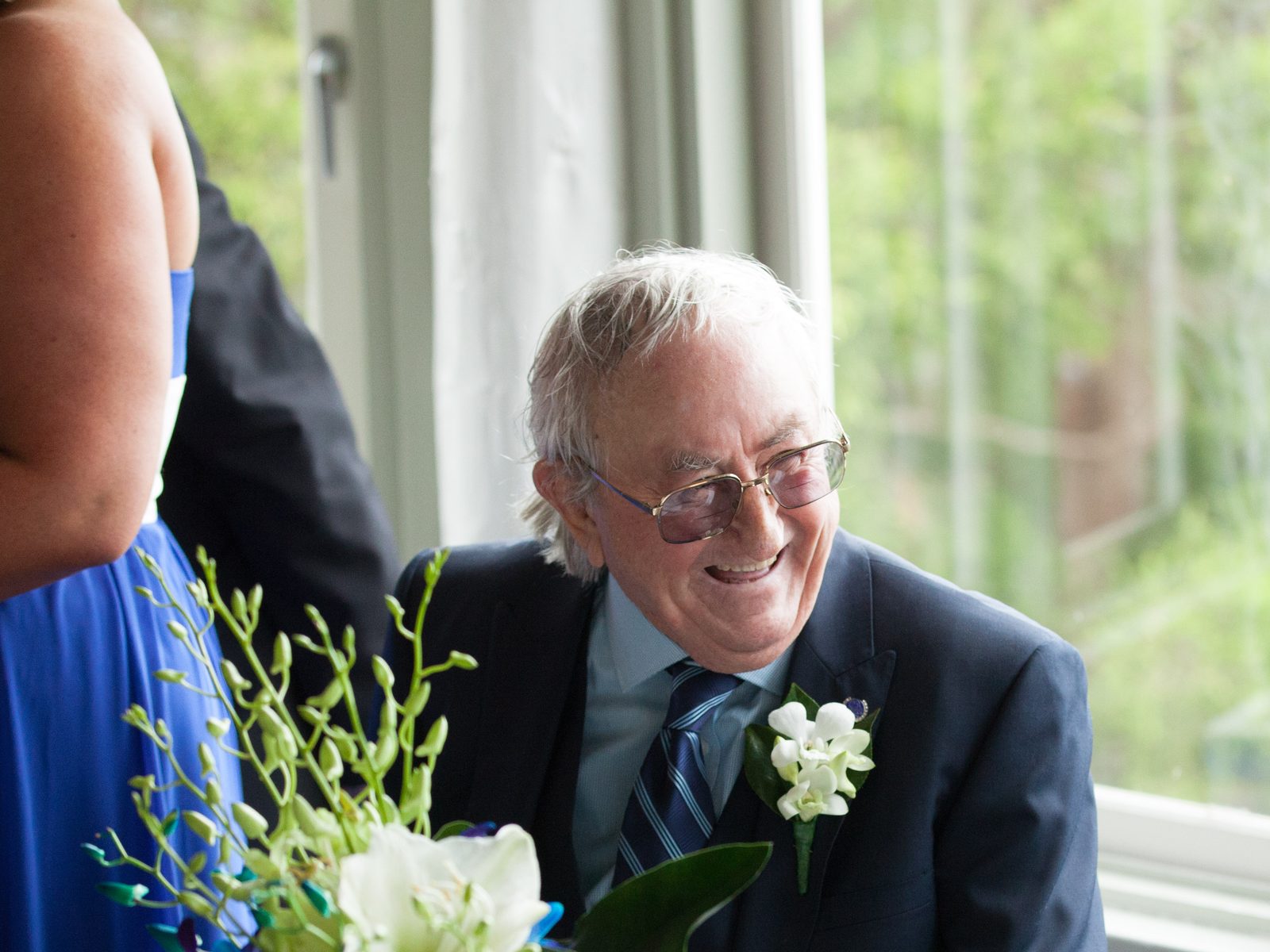
SDR started with one person: my father.
Until mid-February 2026, he was fiercely independent. At 91, he was still walking from Balgowlah into Manly any chance he got. He was still driving his van around New South Wales, setting up his tent and camping wherever the trip took him. Then he had a stroke.
The first weeks were delirium. He had no routine he could follow, and would not have remembered one if he had. The therapists on the ward were doing their rounds, with other patients waiting. Time with a therapist is short, and the hours between rounds belong to nobody. So between rounds he was just there, in a bed, unsure what to do next.
We tried the obvious things first
We printed exercises in large type and laminated them. One went on a lanyard from his bed rail; another sat on his service table. Invariably they got moved at some point during a sheet change. Out of reach, out of view, and ultimately out of mind.
We hung a large-faced clock on the wall and pinned a different coloured shape at each fifteen minute mark: a blue star at 12, an orange circle at 3, a pink triangle at 6, a green square at 9. Each shape pointed to an exercise. He did not need re-explaining. He could match the shape on the clock to the shape on the card.
We tried one card per exercise, full size, but his dexterity was not good enough to swap between them. So we put all four on a single card. That sort of worked, but the page got cluttered and harder to read.
What kept working was the cue at the right time. What did not was the paper. So I put together a quick prototype that ran on a small screen, then turned it into a small HDMI dongle you can plug into any television. I kept developing the idea from there.